Hairstylist approved tips for combatting thinning hair
The Real Reasons Women Notice Hair Thinning in Their 30s, 40s, and 50s — And What Actually Helps
If you’ve looked in the mirror recently and thought “My hair just doesn’t feel as full as it used to,” you are absolutely not alone.
One of the most common concerns we hear from clients at Kim Harper Salon is some version of:
• “My ponytail is smaller.”
• “I can see more of my scalp.”
• “My hair breaks before it gets long.”
• “My texture has completely changed.”
• “I feel like I’m shedding constantly.”
For many women, hair changes begin gradually sometime in their late 30s or 40s and become more noticeable over time. The frustrating part? Hair thinning is rarely caused by just one thing.
The good news is that in many cases, there are ways to improve the look, feel, and health of thinning hair — especially when you catch the signs early.
What Causes Hair Thinning in Women?
1. Hormonal Changes & Perimenopause
As estrogen levels begin to shift during perimenopause and menopause, many women notice increased shedding, loss of density, finer texture, drier hair, and slower growth. This is incredibly common — but often not talked about enough.
2. Stress & Lifestyle Changes
Physical and emotional stress can push more hairs into the shedding phase of the growth cycle. This can happen after illness, surgery, burnout, poor sleep, major stress, or rapid weight loss.
3. Heat Damage & Overprocessing
Sometimes hair feels thinner not because less hair is growing — but because more hair is breaking. Frequent hot tool use, aggressive lightening, rough brushing, and tight hairstyles can weaken hair over time.
4. Nutrition Deficiencies
Low levels of iron, vitamin D, protein, B12, and zinc can all contribute to increased shedding or slower growth. If hair thinning feels sudden or significant, discussing bloodwork with your doctor can be helpful.
5. Scalp Health Issues
Healthy hair starts with a healthy scalp. Buildup from dry shampoo, hard water minerals, oil, and product residue can create an unhealthy environment for hair growth.
So What Actually Helps Thinning Hair?
The best approach is usually a combination of protecting the hair you have, supporting healthy growth, and creating the appearance of fuller, healthier hair.
Salon Services That Can Help Hair Look Fuller & Healthier
Lighten Strategically and Safely
The right color strategy can make hair appear dramatically fuller — but protecting the integrity of the hair is just as important, especially for women experiencing thinning or fragility.
Strategic dimensional color placement helps create movement, depth, and the illusion of fuller hair. Soft brightness around the face and lived-in dimension can make hair look healthier and more voluminous, while overly flat or solid color can sometimes emphasize scalp visibility.
This is one reason techniques like balayage and lived-in color remain so popular: they create natural-looking brightness with softer grow-out and less overall maintenance.
At Kim Harper Salon, we use premium lightening products like Wella BlondorPlex with the No.2 Bond Builder to help protect the hair during blonding services.
Traditional lightening can sometimes leave hair feeling weaker, drier, or more prone to breakage — particularly for fine or aging hair. Bond-building technology helps reinforce the internal structure of the hair while it lightens, helping maintain healthier-looking hair over time.
Benefits include:
• Less breakage during and after lightening
• Hair that feels softer and stronger
• Improved elasticity
• Reduced dryness and brittleness
• Healthier-looking blonde results over time
For many women, choosing gentler, professional-grade color services can make a major difference in maintaining fullness, shine, and overall hair health long-term.
Glosses & Shine Treatments
Professional glosses help restore shine, smooth the cuticle, reduce frizz, and make hair appear healthier and fuller instantly.
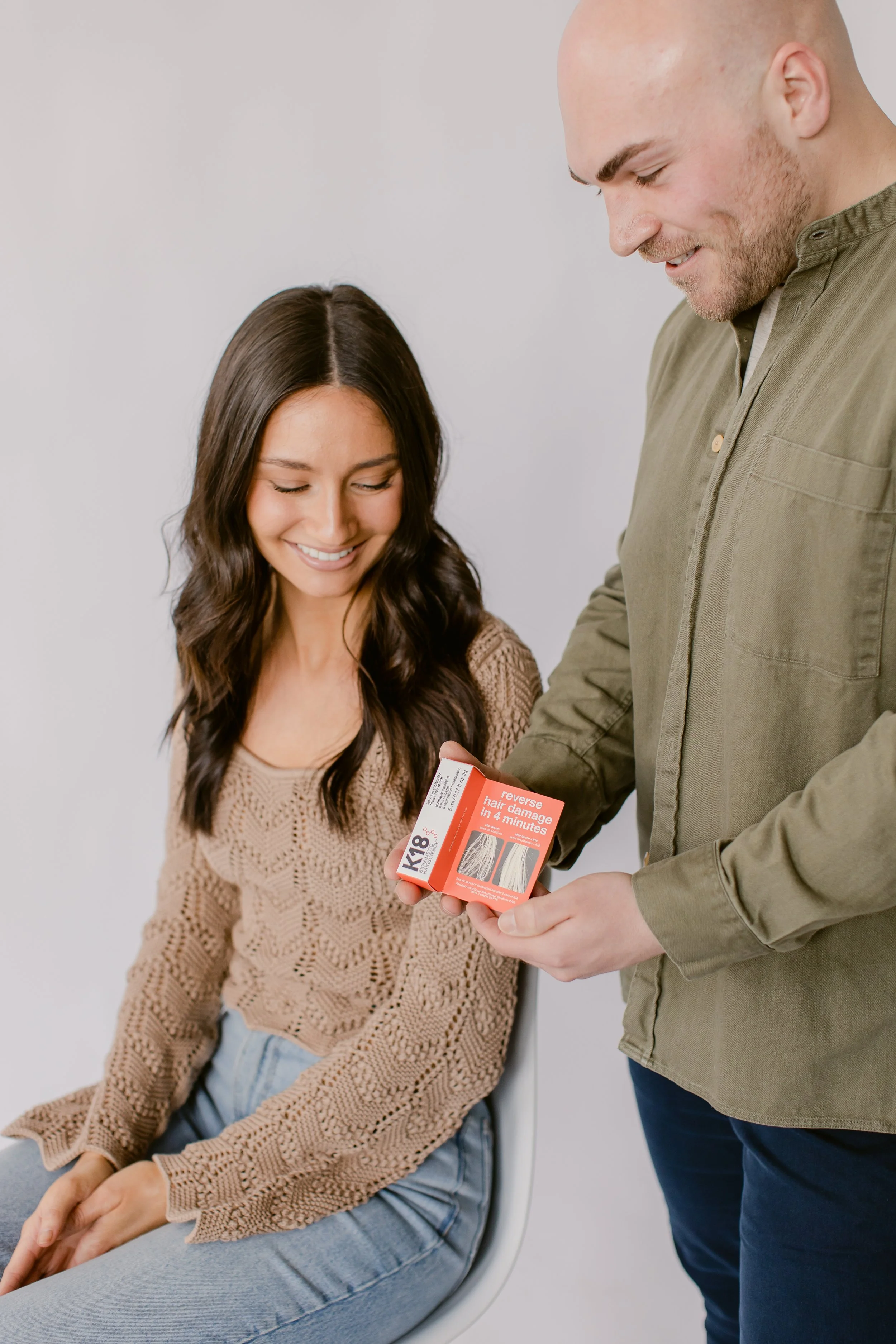
K18 & Bond Repair Treatments
Bond-building treatments like K18 help improve softness, elasticity, and manageability without weighing the hair down.
Precision Haircuts for Fuller-Looking Hair
The right haircut makes a huge difference. Strategic shaping and removing damaged ends can create the illusion of thicker, healthier hair.
Scalp Detox Treatments
Clarifying and scalp-focused treatments help remove buildup, refresh the scalp, and improve overall hair health.
Products That Help Support Fuller, Healthier Hair
While no product can magically regrow hair overnight, the right products can reduce breakage, improve scalp health, and help hair look noticeably healthier.
Non-Salon Solutions That May Help
Speaking with Your Doctor
If thinning feels sudden, severe, or ongoing, it’s worth discussing with your physician or dermatologist. Bloodwork can sometimes identify underlying issues like thyroid imbalances, iron deficiency, or hormonal changes. Medications can sometimes play a role in hair thinning as well.
Prioritizing Protein & Nutrition
Hair is made primarily of protein, and many women simply are not eating enough of it consistently.
Reducing Heat & Mechanical Damage
Lowering hot tool temperatures, using heat protectant, silk pillowcases, and gentler brushing habits can all help reduce breakage.
Managing Stress & Sleep
Better sleep, stress management, movement, and overall wellness can genuinely improve hair health over time.
The Most Important Thing to Know
Hair thinning is incredibly common, especially for women in their 30s, 40s, and 50s — and it does not mean you’re doing anything wrong. At Kim Harper Salon in Mason, Ohio, our approach is always customized. We focus on healthy hair, realistic maintenance, and solutions that fit your lifestyle.